Guides2 min read
How an Extra Walmart Account Can Actually Help (Without Breaking the Rules)
An extra Walmart account can make shopping cleaner and more useful when it’s tied to a real need — like separating personal and family orders or tracking business expenses. Here’s how to do it the right way.
An extra Walmart account can be genuinely useful when it serves a clear purpose. The goal isn’t to game the system — it’s to keep purchases organized, track spending more easily, and take advantage of offers that actually apply to different people or situations.
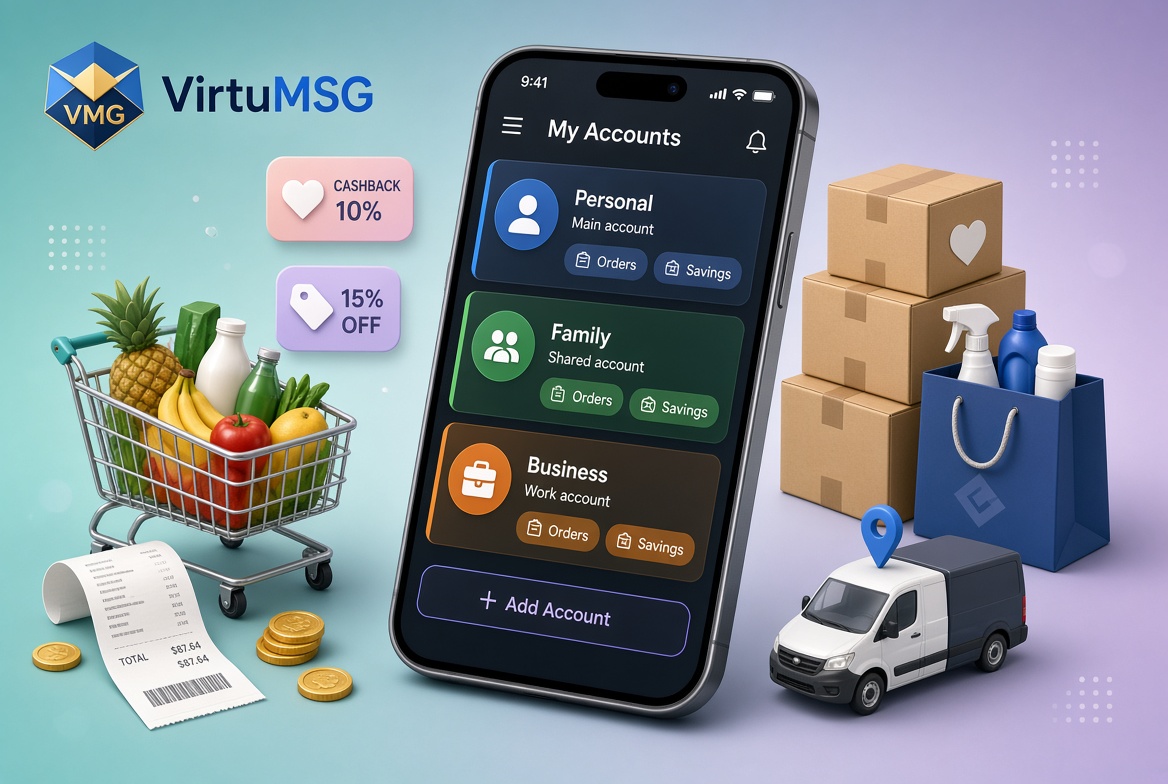
One common and legitimate use is separating personal and family shopping. When several adults in a household order independently, each person can benefit from their own account. That means separate order histories, delivery addresses, payment methods, and personalized recommendations. Returns and past purchases stay clear, and no one’s recommendations get mixed up. The important rule is simple: never create multiple accounts just to claim the same limited promotion more than once.
Walmart Cash and manufacturer offers work the same way. Eligible offers are claimed through a Walmart account, the product is purchased, and the cash or reward is added after delivery or pickup. When different family members or team members shop on their own, each person can manage the offers that matter to them in their own account. What you should never do is open extra accounts only to duplicate the same offer, stack coupons unfairly, or artificially boost rewards. Walmart Cash requires accounts to be in good standing, and prohibited activity can result in losing access to the program or the balance itself.
Many regular shoppers also find value in splitting accounts by purpose. One account can handle everyday groceries and household items, while another is reserved for work supplies, office purchases, or a small team. This keeps personal history separate from business spending, makes repeat ordering easier, and lets you store the right addresses for each type of order. For companies that need more structure, Walmart Business already provides a dedicated solution with tax-exempt settings and centralized management.
Membership programs like Walmart+ add another layer. Benefits such as delivery, pharmacy options, and fuel savings are tied to a Walmart account. If someone shops only occasionally, a second membership may not make sense. But when there is a clear family or business use case with frequent orders, it’s worth checking whether the membership actually pays for itself. Creating extra accounts solely to abuse free trials or temporary offers goes against the terms and should be avoided.
Seasonal and larger purchases offer another practical scenario. A family might keep one account for regular weekly shopping and use a second for holiday gifts, back-to-school items, or big one-time orders. This helps control budgets, track deliveries and returns, and keep a clean history for specific categories. Again, quantity limits, promo-code rules, and one-account restrictions must always be respected.
In short, an additional Walmart account can deliver real value through better organization, clearer expense tracking, relevant offers, and membership benefits — but only when it reflects genuine, separate use cases. The safe approach is transparent separation of real needs: personal shopping, family orders, business purchases, or distinct spending categories. That way the account stays useful and stays within the rules.